The Unmarked — Book One
Characters
Seven people. Seven Marks. One world that just changed.
Seven people. Seven Marks. One world that just changed.
The characters of Corelight are the story. Every Mark is a person. Every person carries something the others need. What they discover together — about the Corelight, about each other, and about what broke sixty years ago — is what Book One is about.
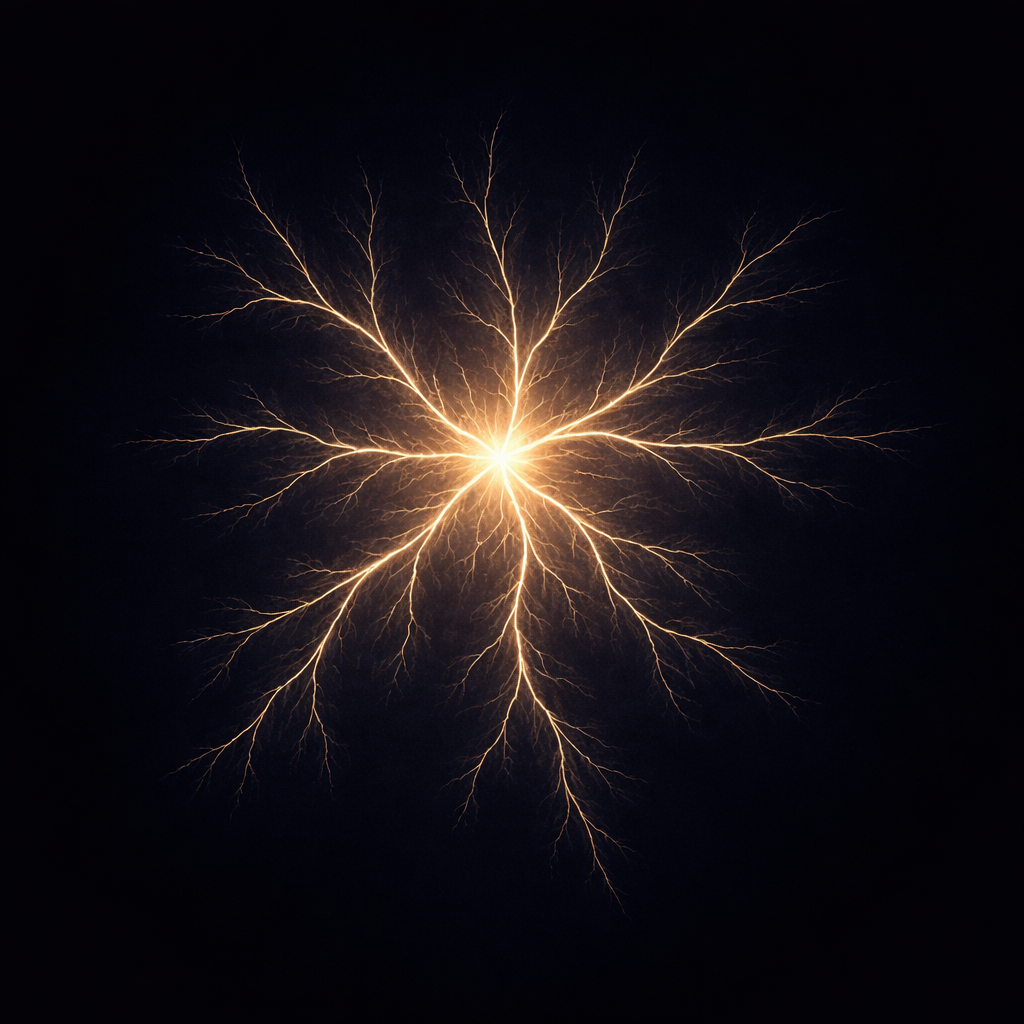 Fracture Lines / Anchor — No Fixed Current
Sixteen years old. Pale skin, dark hair, slight build — the kind of face that disappears in a crowd, which is exactly how he has survived. Elias Vale has spent his entire life being the one person without a Mark in a world where everyone has one.
His forearms are bare. No glow, no living shape, no warmth. What he has instead are fracture lines: thin gold-white cracks running from wrist to elbow on both arms, glowing faintly from within, like porcelain lit from the inside. He has kept his sleeves down. He has kept his head down. He has been very, very good at this.
What the fracture lines actually are — what he actually is — is in the archive. He just has to find it first. And finding it turns out to be the easy part.
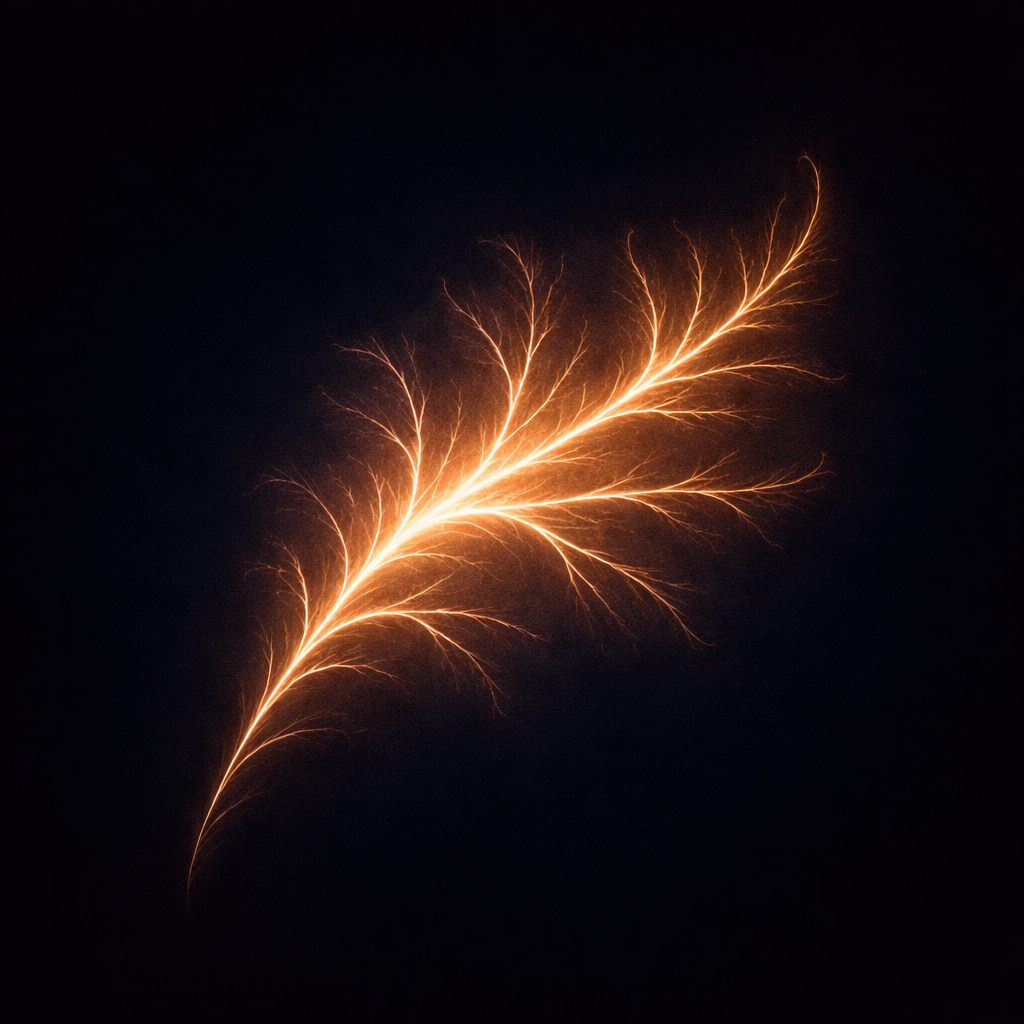 Resonance / Connection — Rose-Gold
Brown-skinned, dark hair pinned back with a clip that never quite finishes the job. Lina's Mark is a flowing leaf-flame shape — branching and organic, warm rose-gold at its center and amber at its edges. It moves very slightly even when she isn't thinking about it, the way a candle flame moves when there is no wind.
Her ability reads the Corelight in everything around her: other people's Marks, the warmth in a room, the residual magic left in objects and walls by decades of people living in them. She is the first person who looks at the fracture lines and asks the right question instead of the obvious one.
Without knowing why — without doing it deliberately — her Mark leans toward Elias whenever they're in the same space. She noticed this on the second week. She didn't mention it for a long time. She was trying to figure out what it meant.
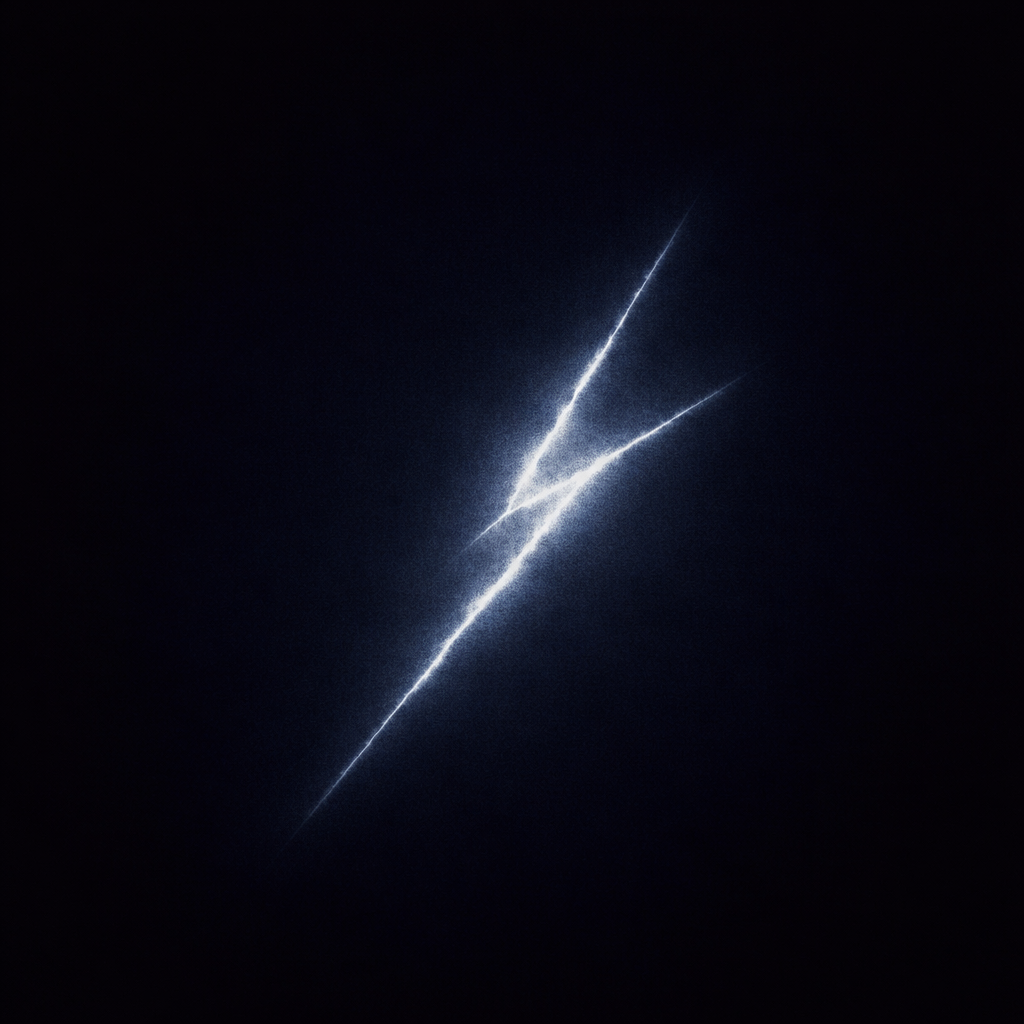 Air / Current — Silver-White
Korean-American, lean build, gender-ambiguous presentation. Dark hair falling across their forehead at an angle that looks accidental. Their jacket is covered in patches: a city name in Korean, a music festival logo, a small embroidered cat with X's for eyes.
Jun's air Mark sits on the back of their right hand — a jagged fractured line like a compass finding north — and the air around them is always slightly in motion. Papers lift. Dust circles. They notice everything, say nothing until it matters, and have usually arrived at the answer before most people know there's a question.
They figured out something was different about Elias on the third day of school. They didn't say anything about it for six weeks. They were waiting to see if he knew.
 Luminance — Warm Amber
Early thirties, reading glasses pushed up on her head, university research lanyard always clipped to her jacket. Rowan has their family's dark hair and pale skin and the settled quality of someone who has had to figure out a hard thing and has figured it out — mostly.
Her amber Luminance Mark is steady and controlled — more precise than most, the Mark of someone who has spent years learning exactness. She loves her brother in the specific way of someone who has been protecting a secret while watching him carry it without knowing it.
She knows more than she has told him. She has been trying to figure out the right moment for years. The right moment has become increasingly urgent.
 Steadying / Regulation — Cool Blue
Compact, dark-eyed, with the focused calm of someone who has seen everything at least twice and has therefore stopped being surprised by most of it. Petrov's perfectly symmetric blue Mark sits at her collarbone and radiates outward in even controlled waves.
Her ability is regulation: slowing surges, stabilizing out-of-control currents, bringing things back to a manageable level. She is extraordinarily good at this. She is also watching Elias more carefully than she lets on.
She has seen a surge move toward a person before. She knows exactly what that means. She has not yet decided what to do about it.
Luminance — Silver-WarmFive feet three, silver hair cut close to her head, reading glasses perpetually pushed up onto her forehead. Aldren wrote ALL CORELIGHT DERIVES FROM A SINGLE ORIGINAL SOURCE on the board on the first day and underlined it twice.
She has spent her entire professional life on this subject and does not consider it finished. She knows things that are not in any curriculum. She has been waiting — for years, perhaps longer — for the right student to ask the right question.
When Elias starts coming to the archive after school, she does not stop him. She does not even seem surprised.
 Perception — Dark Angular, Silver Lines
Forties, professional stillness, the kind of focused calm that comes from years of careful observation and very few genuine surprises. Vael sat across a small table from Elias with a Corelight reading instrument — something like a pen, giving off a faint blue-white glow — and tried to read him.
The instrument returned nothing. She looked up. Her expression was not confused. It was not dismissive. It was the expression of someone who has encountered something they did not expect and is filing it with great care.
She is not unkind. She is genuinely interested in understanding what she is looking at. This is, in its own way, exactly what makes her dangerous.
The characters of Book One are not independent. Every connection between them carries weight — and every relationship shifts as the story moves forward.